Can we all agree that coffee is a strong motivator? Usually when I have difficulty transitioning a patient into a session, I invite them to get a cup of coffee with me. So how can we turn grabbing a cup of coffee into a billable, skilled session? I’ve got three areas of function we can address.
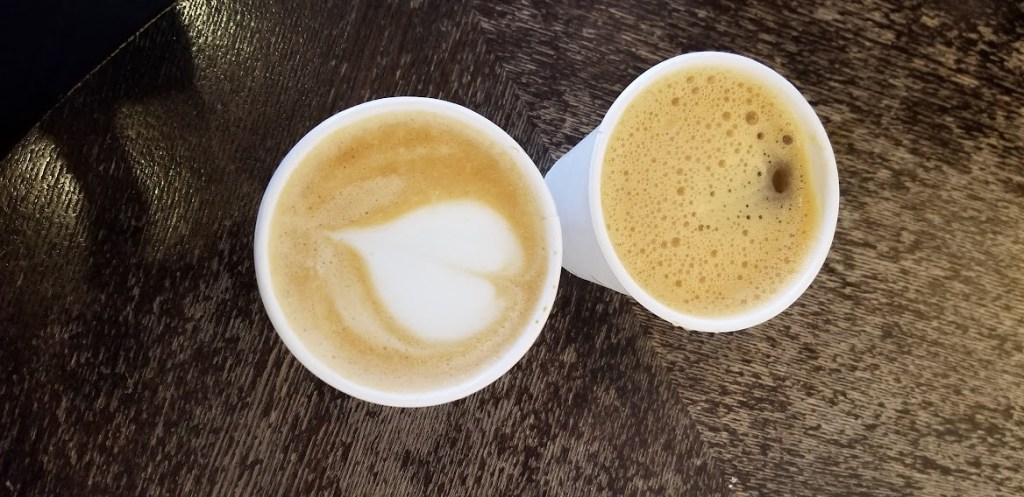
Sequencing and Safety Awareness.
In individuals with moderate to severe cognitive impairment, a great strategy is to simply prevent the patient with the necessary items and prompt them to make the cup of coffee. You can grade this by giving them a carafe of coffee or by presenting them with a black cup of coffee and different options of creams and sugars. You could grade this even further by including items that don’t belong (like condiment packets, a ladle, a plate, or even something non-kitchen related like a brush or a wash cloth) in order to address problem solving.
How to Objectively Document:
- amount of cues required; amount of assist required; amount of time in minutes the patient was able to attend to task; level of safety awareness; how the items were presented; amount of stimulation in the environment
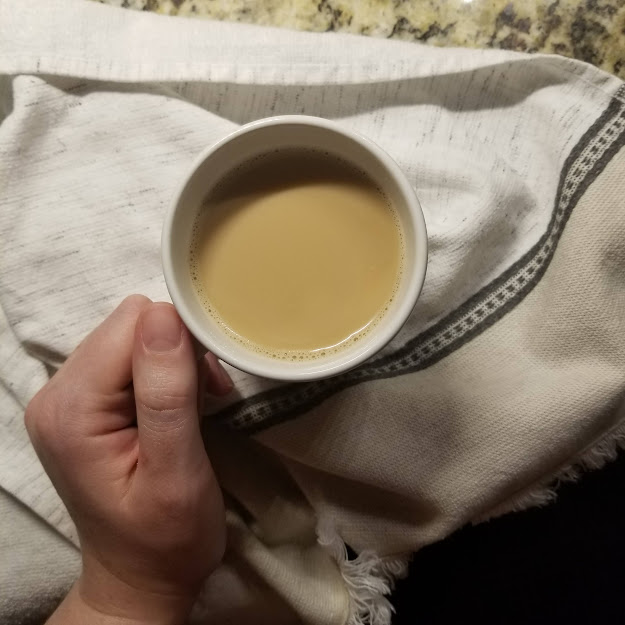
Dynamic Standing Balance.
This is a great option when the patient has a hard time emotionally responding to other intervention ideas. Strategy: collect all the items and prepare a cup of coffee. Set the patient up in a standing position at a counter or table. Place the necessary items outside of the immediate base of support. Then prompt the patient to collect all the items and make the cup of coffee. Again, you could grade this by having the coffee already brewed or by asking the patient to brew the coffee. You could also increase the challenge by requiring that the patient take steps or even ambulate throughout a room to gather the items.
How to Objectively Document:
- amount of consecutive time spent in standing; amount of rest breaks required; vital signs at rest and with activity; any episodes of loss of balance; dynamic balance grades throughout; any assistive mobility devices used; if ambulation was integrated and how much (in feet); amount of cues required to complete task; amount of setup provided at onset; amount of assist provided during the activity
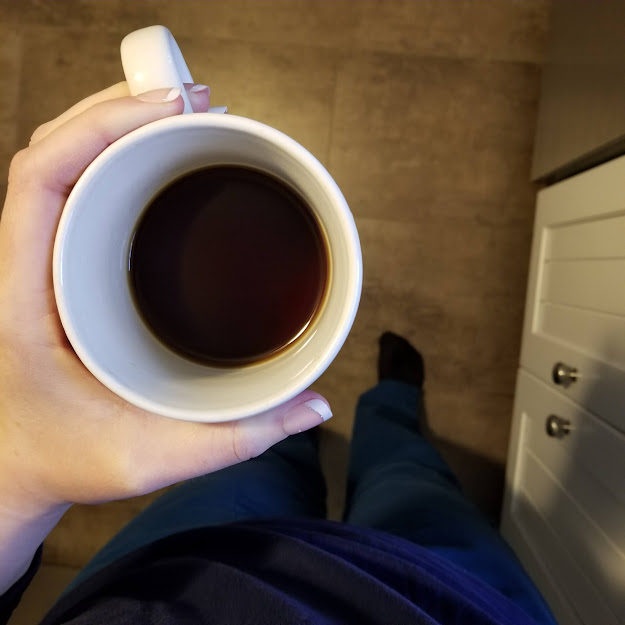
Fine Motor Control.
This I’ve learned over time with trial and error. Strategy: use pre-packaged items and don’t open anything for the patient. We’re talking single-serve creamers, sugar packets, even bags of coffee grounds if you want to include brewing the cup as part of the intervention. For aging hands that have arthritis, neuropathy, or generalized weakness, this is a great challenge. And of course, grade this. Don’t make it impossible. But shoot for the just right challenge, always.
How to Objectively Document:
- types of items used, amount of time required to open each item, quality of prehension patterns, amount of time the patient could attend to task, amount of assistance required, any pain or paresthesias reported throughout
Happy Treating!! And as always, stay tuned or more activity analysis!




 The Memory Unit OT
Leave a comment