
When I use jigsaw puzzles on The Memory Unit, it’s usually for one of two reasons: to address “unsafe wandering” or to address decreased active engagement in a routine.
Often, a Resident will get referred to me for “increased wandering”. And usually this means that the staff are having a harder time redirecting the Resident to a seated task, or the Resident won’t remain in bed during typical resting periods. So we’ll trial various seated leisure tasks, including puzzles, to try and identify things that the staff can use to keep the Resident occupied in a more meaningful and fulfilling activity.
Of course, this isn’t the only thing we’ll do to address this “increased wandering”, but it is certainly one of the main strategies that I integrate into the care plan.
I’ll start by selecting two different puzzles to present to the Resident. For someone in the mild to moderate stages of dementia, I’m typically grabbing a 50-100 piece puzzle. For someone in the moderate and above stages of dementia, anything less than 50 pieces is preferred, and puzzles with an included building mat are best.
I’ll present the two different puzzles, and ask the Resident which image they prefer. I will then open the box for the Resident, and begin spreading out the pieces.
If we’re working with with a puzzle less than 50 pieces, I will lay out all of the pieces around the building mat. If the puzzle doesn’t include a building mat, I will arrange the frame of the puzzle for the Resident, then lay out the remaining pieces around the frame.
If we’re working with a puzzle greater than 50 pieces, I will start by pulling out all of the edge pieces. Once the frame is built, I will then start presenting pieces by color until the entire puzzle is built.
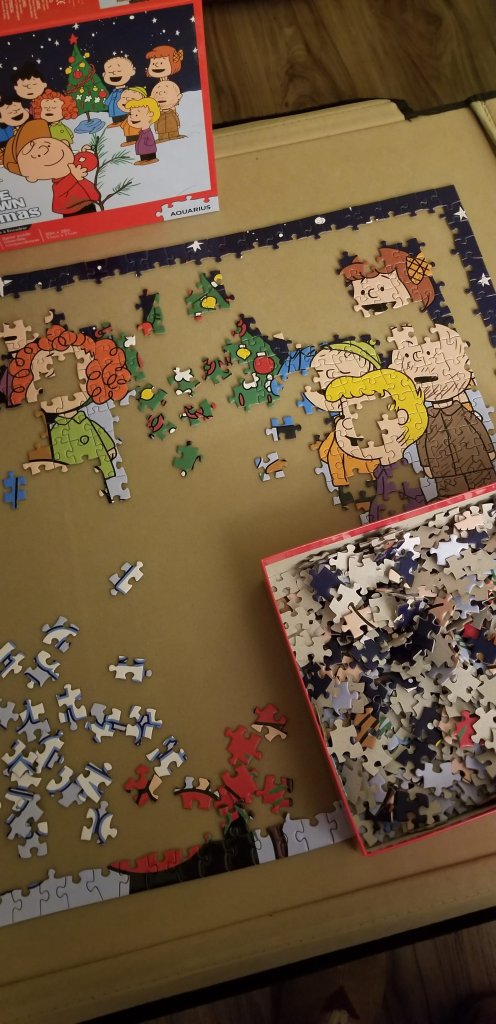
There are several things I’m looking for when using a puzzle as a skilled intervention.
1. How engaged is the Resident? Are they scanning the table for different pieces? Can they identify different parts of the image by name? Can they answer my questions about the puzzle? Are they actively reaching for pieces and trying to make them fit? If they’re showing strong interest in the task, then this is certainly an activity I’m going to recommend the staff utilize outside of therapy time.
2. How long can the Resident maintain attention? The reality is, most SNF and nursing care settings want to find tasks that will keep a Resident’s attention for a good amount of time. A lot of facilities (especially post-pandemic) just don’t have the staff power to provide 1:1 support for more than a few minutes. So if a puzzle can keep a Resident attentive and content for more than 10 minutes, I’m going to recommend it as a meaningful activity that the staff can present to the Resident outside of therapy time.
3. How much cueing does the Resident require in order to be successful with the task? I’m expecting that during the initial sessions, a Resident is going to require more cues than not. But the goal will be to become independent with a puzzle if I feel like this activity is worth recommending (based on the other two criteria we just looked at). So my long-term goal might look like: Resident will complete a 50-piece puzzle following setup assistance without any additional cues to promote meaningful leisure engagement and decrease unsafe ambulation. Then my short-term goal might look like: Resident will successfully complete 5 puzzle pieces within a 50-piece puzzle without cues to improve independent engagement in safe tabletop leisure task.
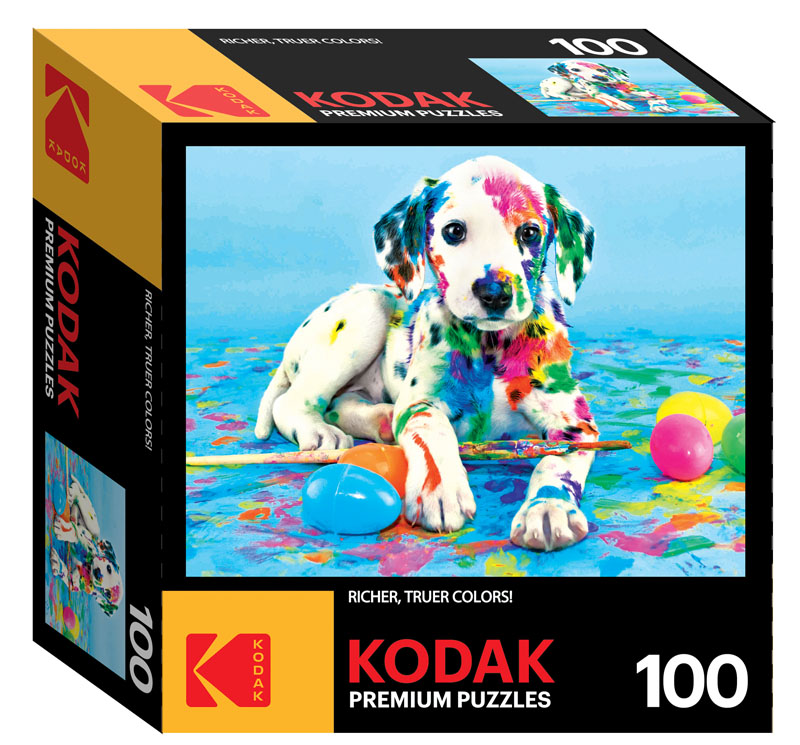
Now, real-talk. Most of the puzzles that I see in SNFs are these Kodak puzzles. And they’re okay…. but the images are a little too complex sometimes.
I prefer these puzzles much better. They are specifically designed for individuals living with dementia, and are well worth it.

Disclaimer: there are no affiliate links in this post



 The Memory Unit OT
Leave a comment