Love is in the air!
I’ve said it before, and I’ll say it again… holidays matter on The Memory Unit. Most of us have been celebrating the same holidays (with usually the same traditions) our whole life. Using activities that tap into these long-term memories and feel-good emotions are some of the best ways to boost engagement when working with individuals living with dementia. And we’re all about maximizing quality of life over here!
Whether you’re a Therapist or a Life Enrichment Director, these Valentine’s Day ideas are made for you!
Make Simple Decorations.
You don’t have to pick things that are elaborate of fancy. This year, one of my buildings had Residents trace and cut out hearts on glittery foam sheets. Paper chains are also a great, simple activity, along with painted doilies or other simple heart garlands.
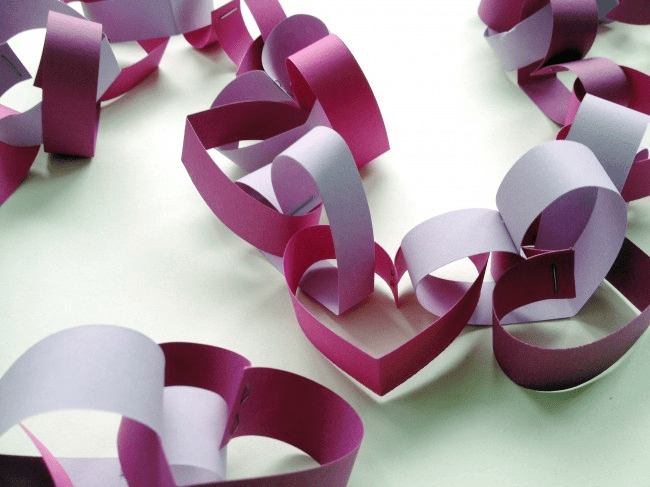
And I know what you’re thinking… “aren’t these the same sorts of crafts we made as kids in the 90s?”. Yeah. They are. But I dare you to give these a try with your Residents; you might be surprised at just how well these simple crafts and decorations engage them.
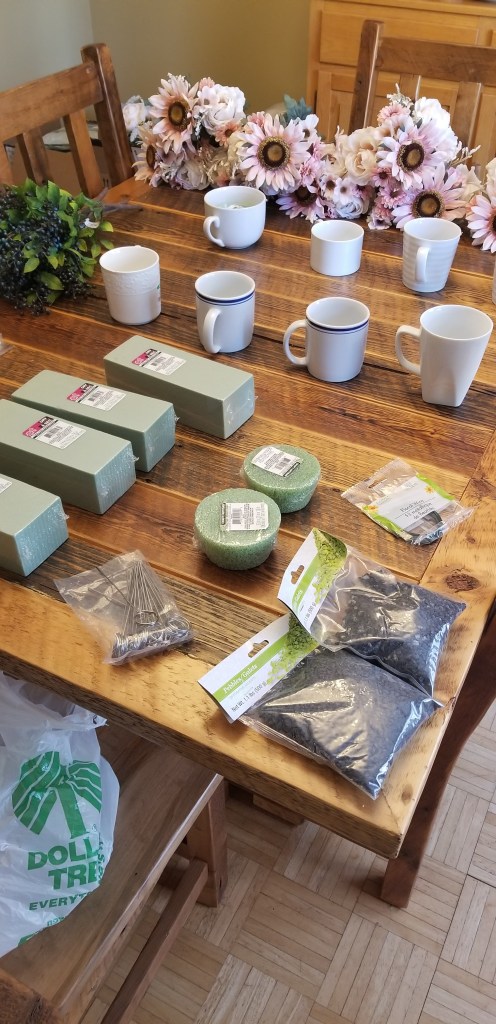
Assemble Faux-Flower Arrangements.
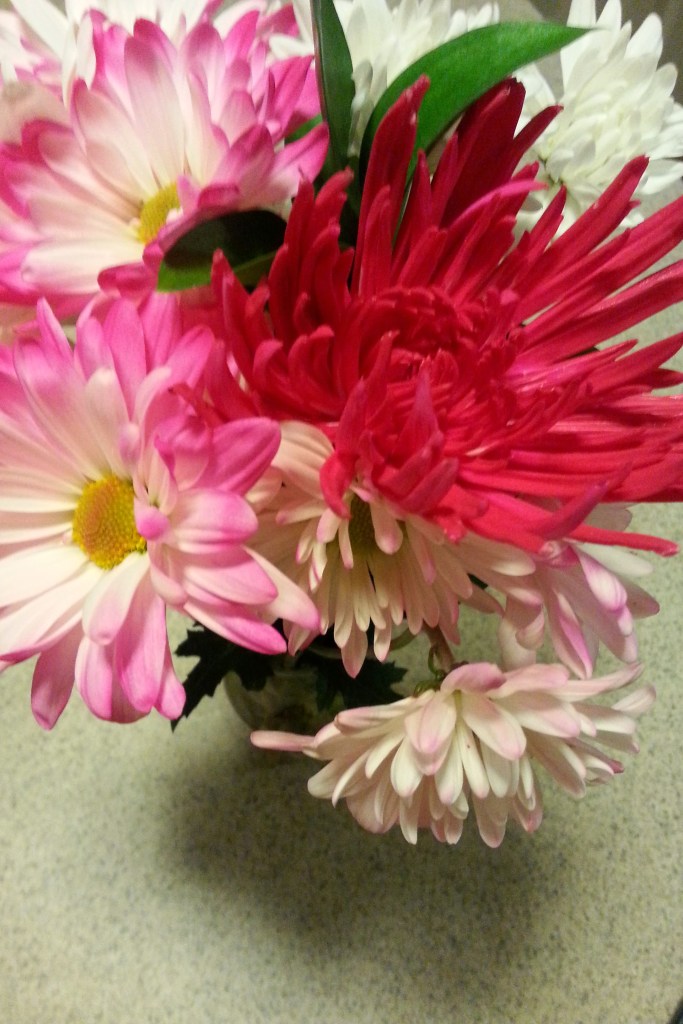
This is one of my favorites. You can get everything you need from the Dollar (*25*) Store. Vases, floral foam, and faux florals and greenery. These could be made to spruce up the unit or to give as a gift, and are always so beautiful when they’re complete (no matter how much practice you have in floral arrangements).
Decorate the Unit.
See those decorations through to the end. Get your Residents involved in displaying these items throughout the unit. Hang things high and low along the walls, set up centerpieces and tabletop displays. Cover windows and doors. Make the unit feel festive and give your Residents as much creative autonomy as they can tolerate and as is safe for their current status and needs.
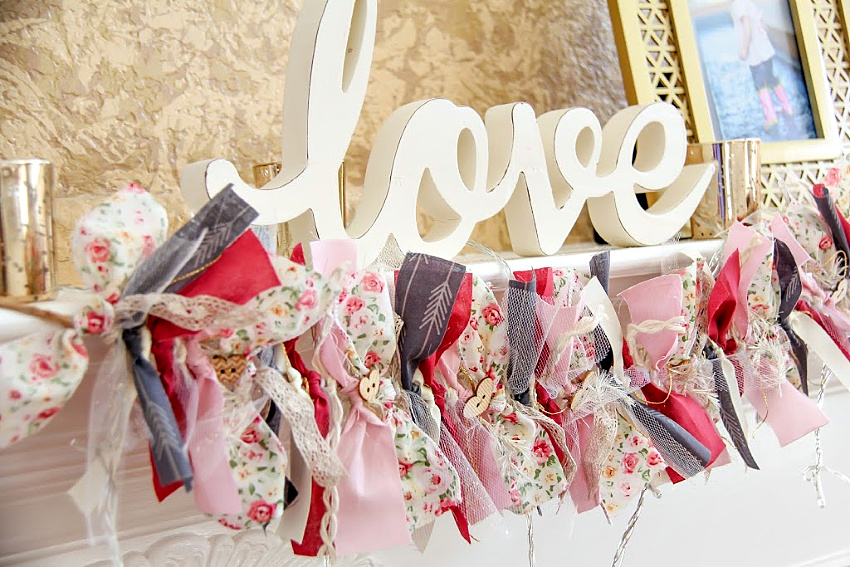
This fabric garland is really beautiful yet simple, and could easily be tailored to fit anyone’s needs or levels.
Remember that when it comes to holidays, the appearance of the physical environment matters. It’s like a constant physical cue – a constant external memory device – about the current season and celebration. Holidays are familiar to us. We’ve made holiday associations since we were kids; red and green for Christmas, hearts for Valentine’s Day, pumpkins for Halloween. And while we’re never here to force a Resident to remember something, I believe it is still meaningful for individuals living with dementia to experience the holidays – to see the sights, smell the smells, hear the sounds that are associated with these fun days and celebrations.
Make and/or Address Valentine’s Cards.
Earlier this week, I worked on addressing (writing to and from on) the very basic store-bought Valentine’s cards with one of my Residents. It took a full hour to get all of them done, but she was engaged, attentive, and invested in the task for the entire time. It was meaningful to her to address the cards to other Residents on the unit. But you could have a Resident create or address cards to the facility staff or their family as well.
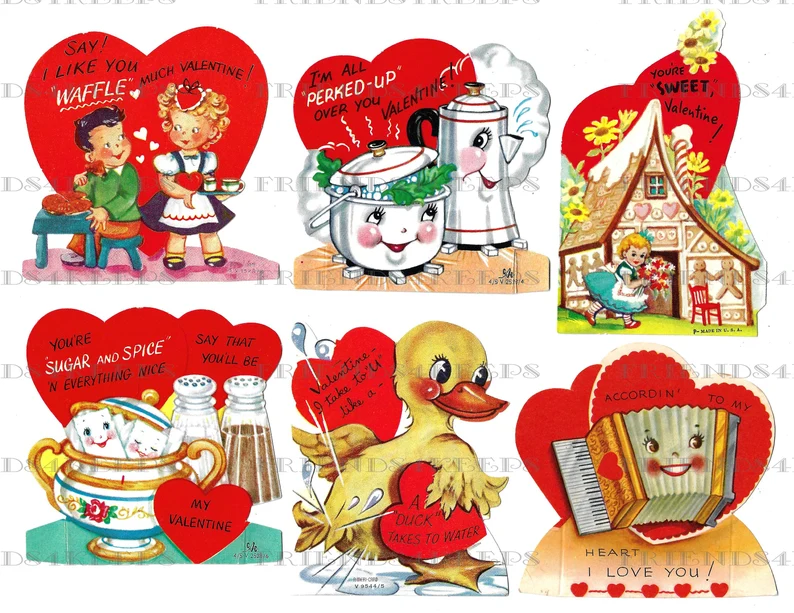
And can we talk about how cute these vintage Valentine’s are?!?! These are perfection!
Now, let’s talk about making this skilled.
As with any intervention, you have to use your Activity Analysis skills. So the key questions you need to ask yourself:
- Why am I doing this with my Resident?
- What deficit’s or needs do they continue to show?
- What goals have I (or the OTR) written in the care plan?
- How can this activity address those needs and goals?
Your Resident might need to address community setting tolerance for safety and emotional regulation.
Literally any of these activities will address that. The focus will be on maximizing the Resident’s ability to easily transition to the task and remain in the activity for the duration. Document how many cues are required to initiate/transition to the activity and how long the Resident could tolerate the activity before self-terminating.
Your Resident might need to address cognitive function such as direction following, sequencing, problem solving, etc.
Again, any of these activities will address that. The focus will be on maximizing these skills, as evidenced by an ability to complete the task with the least amount of cues. Document how much cueing was required for each step of the task, how much assist was required for each step of the task, the aspects of the task that were the easiest, the aspects that were the most challenging, and any other notable behaviors.
Your Resident might need to address standing, balance, and mobility.
I’ll be honest and say that the only activity I’ve listed that really addresses this is the actual process of hanging decorations throughout the Unit. Sure, you could have a Resident do any of the other activities in standing to “address balance”. And for some people, that’s a fine intervention. But usually for me, this strategy is a Hail Mary to try and get treatment minutes, and I don’t love that.
You could certainly address distance ambulation or wheelchair propulsion, as well as cognitive function, and activity tolerance by delivering Valentine’s Day cards to people throughout the Unit or Facility.
You could also create a Scavenger Hunt with some of the decorations (like search for and count the number of hearts displayed on the Unit), which would also address a little bit of everything.
I hope these ideas spark the creative juices for you if you’re feeling stuck! Pop off in the comments with other ideas and beloved therapy activities!



 The Memory Unit OT
Leave a comment