Weight-loss charts and monitoring has been a primary referral source for me in the SNF (skilled nursing facility). One of the many unfortunate realities of dementia is the ongoing change in appetite and meal intake that can make family members and care staff feel frustrated and discouraged. The good news is, we as OTs can totally address this.
Always Start with a Strong Assessment.
Often the information I’m presented with before the evaluation is not the full picture.
I like to spend 1 or 2 meals right at the start of care primarily observing what happens. Now that’s not to say I won’t intervene if needed. But I’m not necessarily going to jump right in to recommending equipment or modifications. And if I trial any equipment or modifications, I won’t write the order for these things until I’m sure they’re what I want to recommend.
A strong and thorough assessment also means that I’m interviewing the Resident and/or the family to learn about food preferences, dislikes in tastes and textures, eating schedules or routines, and any changes in medication, sleep hygiene, or mobility.
I’ve seen appetite significantly decline when mobility declines. And this makes sense, right? Less movement means less calories being burned, which means a diminished appetite. I’ve also seen instances where Residents are up all night, which means the staff are offering them snacks all night long. When daylight rolls around the Resident is both full and exhausted!
If My Resident Doesn’t Love Three Big Meals, I’ll Recommend Non-Perishable Items be Easily Available to the Resident all Day.
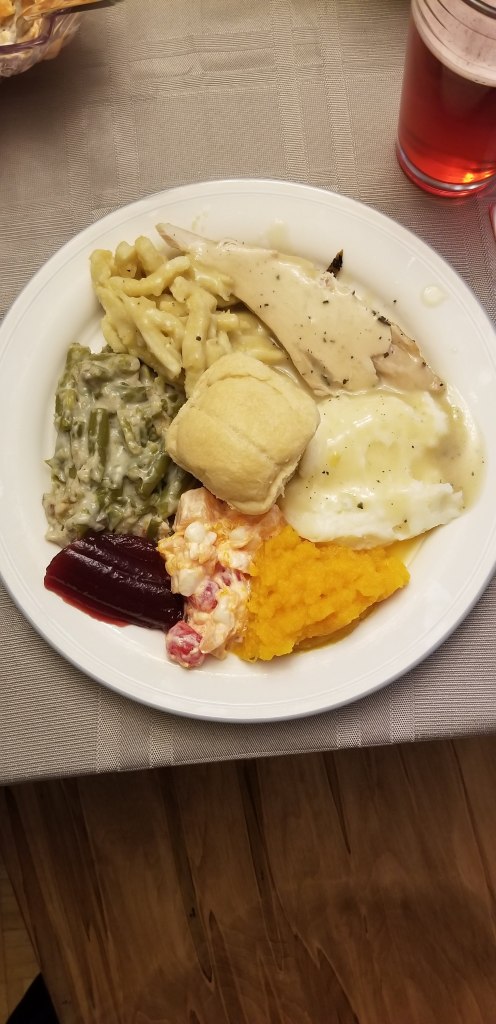
Some Residents just don’t like to sit down to a big meal. It can feel overwhelming and overstimulating. Sometimes the way the meal is plated can look unfamiliar and therefore non-appetizing.
For other Residents, there is pressure to eat quickly or at a time when they maybe just don’t feel hungry. Sometimes disorientation to time can make a Resident resistant to eating a full meal.
People living with dementia still want and need autonomy.
Small portions of favorite foods and snacks, left readily available to the Resident on their tray table in their room can feel less stimulating, less overwhelming, and more appealing. They’re able to eat the food when they’re ready, in the ways they want to eat.
Certainly in a home setting this is much easier, and there are safety measures to ensure when in a SNF setting (if your Resident’s roommate is on a modified diet texture, it may be unsafe to have a plate of crackers left out in the open in the room). This is where collaboration with the interdisciplinary team is warranted.
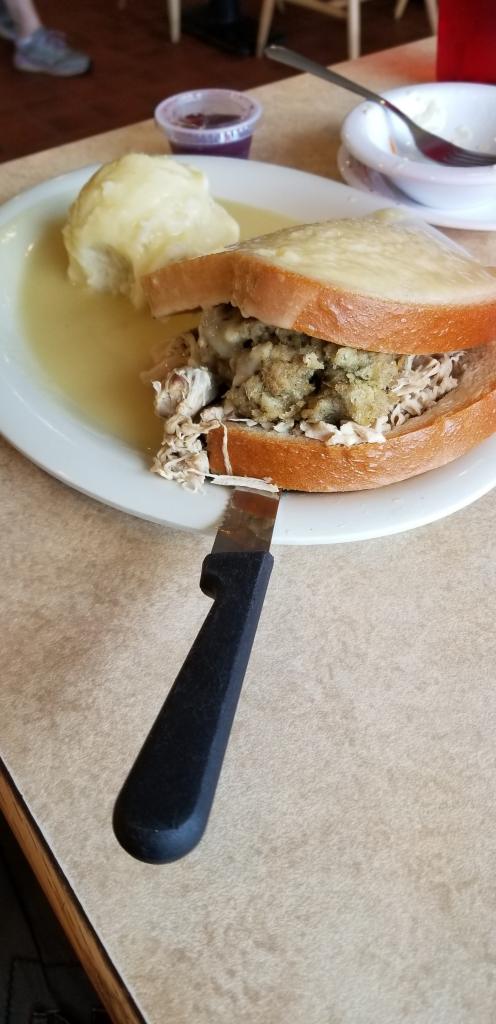
Just About Anything can be Turned into a Finger Food/Hand-Held Meal if you Make it into a Sandwich.
There is certainly a time and place for adaptive dining equipment on The Memory Unit. My preferred equipment includes handled cups, lipped plates, and wide-mouth bowls. But sometimes it gets to a point where finger foods and hand-held meals just work best.
You may notice that your Residents will try to turn pureed squash into a finger food but simply eating it with their fingers. The goal here is to promote independence and dignity.
I have truly turned just about any meal into a sandwich. Spaghetti. Meatloaf. Fish dinner. Scrambled eggs. This strategy works in a pinch, but collaborate with the kitchen, asking for sandwiches and/or finger foods at every meal instead of the main entrée.
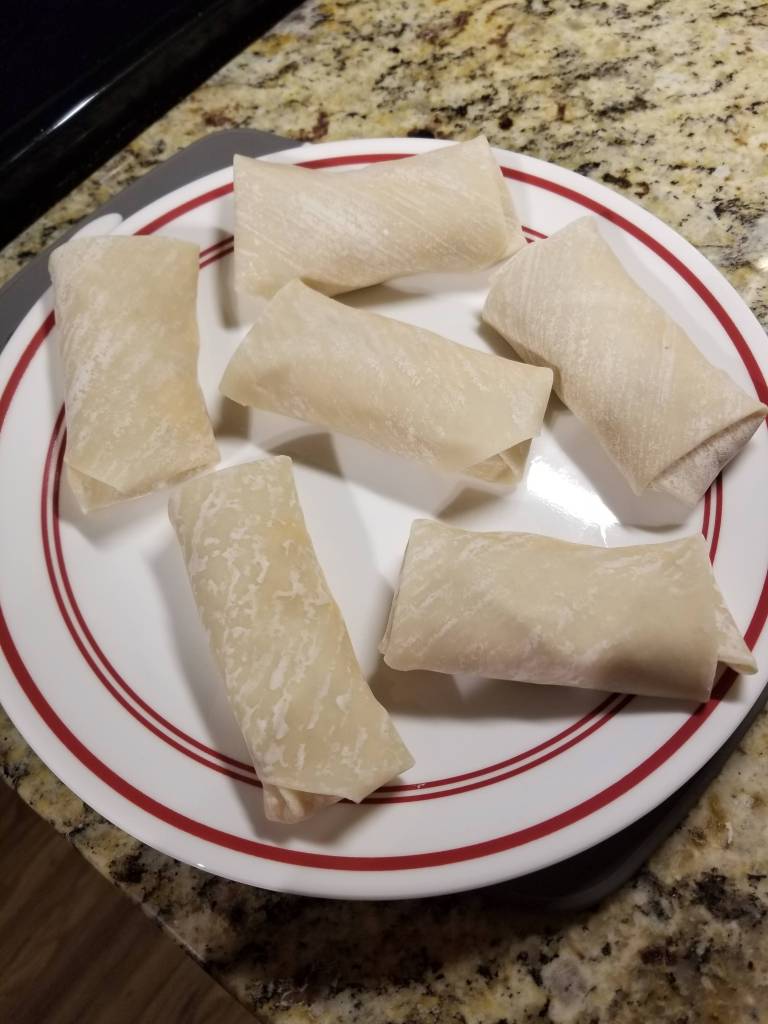
Some great finger food options (besides sandwiches) include french toast sticks, chicken fingers, pita pockets, and quesadillas.
Supplement Meals with Snacks as Needed.
Not every meal on The Memory Unit or even the short-term skilled unit is going to be a success. And that’s okay. Are you perfectly hungry for the same amount of food every single meal? There is so much that goes into nutrition and appetite, and there is absolutely no shame in recommending snacks between meals. They don’t all have to be fortified (though some of them should), but they all have to be something that your patient or Resident enjoys. 🙂
Collaborate with your Facility’s Dietician and SLP.
With all of the strategies we’ve talked about so far, it is so important to collaborate with other members of the Nutrition Team.
The Dietician can give insight into various supplements, meals, snacks, and eating schedules to target the needs of your Resident. They can also write orders for these supplements and make recommendations for medication changes that may have an impact on appetite and swallowing.
The SLP is of course going to provide support in the areas of swallow, oral motor control, and diet textures. Personally, I don’t always notice the small nuances of a diminished or difficult swallow, which is why I love collaborating with Speech Therapy to compile the best eating and drinking strategies for Residents.
Engage in the Resident in All Aspects of the Meal.
This last tip is the money-shot. The golden nugget.
If you engage your Residents in all aspects of the meal, I’m certain you will notice a huge improvement during meals overall. Review the day’s menu together. Ask the Resident to set the table or pour drinks. Use some of your sessions to cook or bake a treat or light meal together.
The more our Residents engage in the normal rhythms and routines around meal times, the more it will make sense to them, and the more invested in the meal they’ll become.





 The Memory Unit OT
Leave a comment