
UNO is such a classic game, one we all know and love. There are a lot of ways you could use this game within your treatment sessions. Today, I’ve got 3 strategies to address 3 different areas of function.
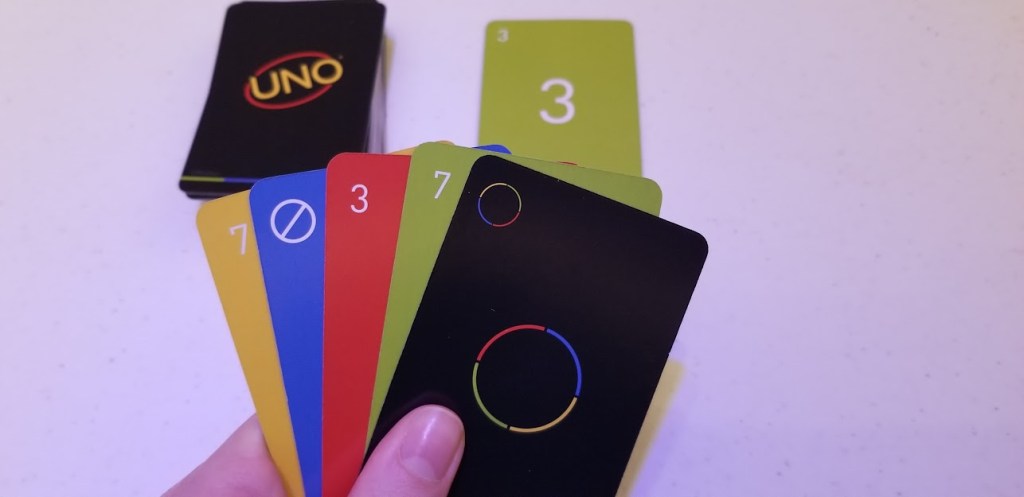
Short-term recall, direction following, sequencing, and cause-and-effect.
Here’s a little secret… you can address all of these skills by doing this one thing. Strategy: play the game. You can start simple by removing the special cards (wilds, draw 2’s, reverses, and skips). Assess how well your patient can recall the basic directions and sequence through a turn-taking task. Then upgrade by adding one or more of the special cards. This will further challenge short-term recall but will also add in the cause-and-effect concept. And remember that this is more than just teaching someone how to play a game…. it’s about keeping the intact neurons firing while working to stimulate those that haven’t been challenged to make as much cognitive improvement as possible.
How to Objectively Document:
- number of times you had to repeat the initial directions; the amount of time (in minutes) between each repetition of a verbal direction; number of times the patient could recall how to match the cards; number of times the correct card was discarded; the amount of time (in minutes) the patient could remain focused on the task; the amount of stimulation in the environment; the number of people playing the game; the number of special cards that could be successfully incorporated into game play; how much cueing was needed to discard a card; type of cues provided (visual vs verbal)
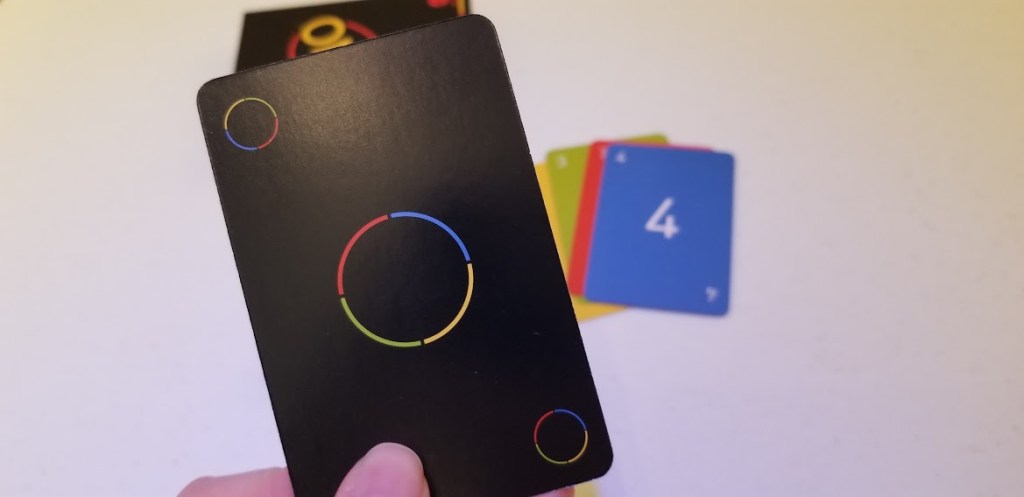
Visual Scanning during Dynamic Functional Ambulation.
This a great activity and again, one you could do with any sort of brightly colored object, but UNO is just so fun. Strategy: place UNO cards down a hallway or around a room and ask your patient to collect them all. You can add challenge to this by placing them at varying heights or trying to hide them among a visually stimulating area. You can also address distance ambulation by spreading the cards out further. Address balance by grading the type of assistive mobility device used. Include more than one patient into the activity to make it a competition.
How to Objectively Document:
- number of cards hidden vs number of cards found; assistive device used; assist required for ambulation; ability to reach outside of base of support; number of cues needed for appropriate visual scanning; number of cues needed to recall direction; number of rest breaks taken; vital signs at rest and with activity; amount of stimulation/obstacles within the room or hallway; number of episodes of loss of balance; any reports of pain or fatigue

Total Body Strengthening, Activity Tolerance, and Safety Awareness within the Context of Transfers.
Okay, hear me out on this one…. you could use essentially any tabletop activity for this, but UNO is such a fun one that I like to use it routinely. Strategy: play the game however you’d like, but incorporate a safe sit<>stand between each turn. You could play using the traditional gameplay rules or you could simply match by 1 or 2 categories (color, number, or both). Make sure that your patient executes safe body mechanics with each sit<>stand transfer. Take breaks as needed. Monitor vitals throughout. Bonus Idea: try matching across a vertical surface for an added/different challenge.
How to Objectively Document:
- number of repetitions completed before requiring a rest break; duration of rest break; vital signs at rest and with activity; any reports of pain or muscle fatigue; standing balance grades throughout task; amount of cues needed for safe sit<>stand transfers; any episodes of loss of balance; amount of time required to complete a game turn; amount of cues needed to recall game directions; amount of assist needed to match cards
Happy Treating!! And as always stayed tuned for more activity analysis posts.




 The Memory Unit OT
Leave a comment