I’ve said it before, and I’ll say it again… holidays matter on The Memory Unit. Most of us have been celebrating the same holidays (with usually the same traditions) our whole life. Using activities that tap into these long-term memories and feel-good emotions are some of the best ways to boost engagement when working with individuals living with dementia. And we’re all about maximizing quality of life over here!
Whether you’re a Therapist or a Life Enrichment Director, these Thanksgiving ideas are made for you!
Create a Table Centerpiece
Faux florals are such a pretty, low-maintenance way to beautify and liven a skilled nursing facility. And arranging them into bouquets can be a great way to involve Residents in the process.
I’ve got a whole breakdown of how to do this and bill for it in sessions here.

Assemble a Thankful Tree
We’ve seen these before, but this can be such an easy way to get any and all Residents engaged in a group activity, plus it will add some seasonally appropriate decor to the Unit.
Plus this particular template comes with a free printable leaf pattern.

Bake a Fall Dessert
Cooking tasks and groups are one of my favorite things to utilize in therapeutic sessions. It is especially helpful when addressing cognition, because there is so much involved in the process of planning and preparing a dish or dessert. Cooking and baking also incorporate several gross motor elements that allow us to address standing tolerance, balance, and functional reach while maintaining and individuals attention.
I’ve got an apple crisp recipe plus my own free printable visual cues here.

Host a Family Luncheon
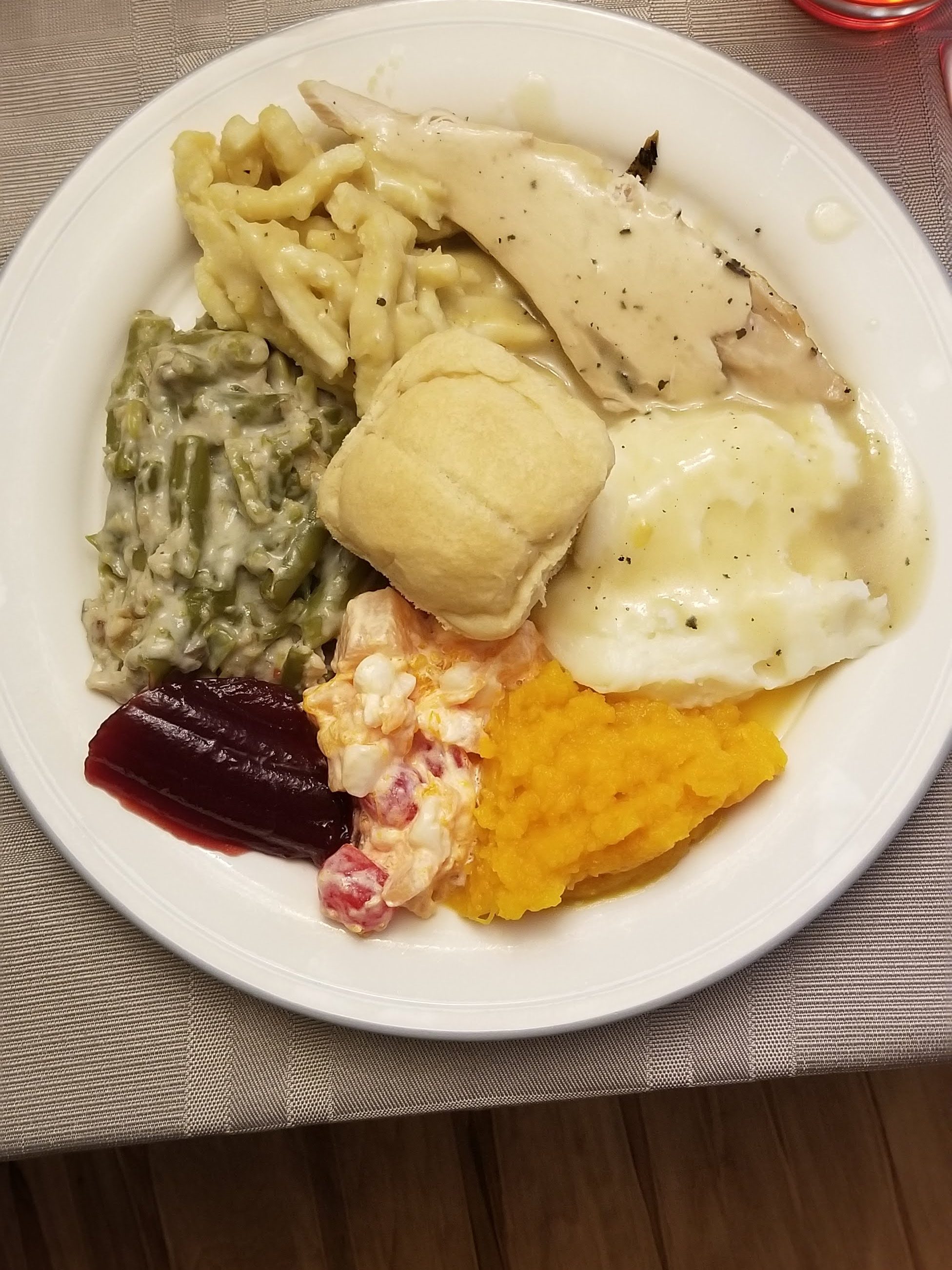
Several buildings I’ve worked in have done this in the past. Either on Thanksgiving Day or a day earlier in that week, family and friends are invited to share in a holiday-style meal with the Residents. The menu is usually a little fancier than a day-t0-day menu. The tables are set and decorated, they play music, and it’s just a great time for loved ones to connect with the Residents in a special and cheerful way.
Play a Game of Thanksgiving Bingo
If there’s one thing I’ve learned working in Skilled Nursing. There are 3 things you never mess with: church, hair appointments, and Bingo. This Thanksgiving-themed Bingo is fun and light-hearted, and can engage Residents of almost any cognitive level.

Now, let’s talk about making this skilled.
As with any intervention, you have to use your Activity Analysis skills. So the key questions you need to ask yourself are:
- Why am I doing this with my Resident?
- What deficits or needs do they continue to show?
- What goals have I (or the OTR) written in the care plan?
- How can this activity address those needs and goals?
Your Resident might need to improve in community setting tolerance for safety and emotional regulation.
Literally any of these activities will address that. The focus will be on maximizing the Resident’s ability to easily transition to the task and remain in the activity for the duration. Document how many cues are required to initiate/transition to the activity and how long the Resident could tolerate the activity before self-terminating.
Your Resident might need to address cognitive function such as direction following, sequencing, problem solving, etc.
Again, most of these activities will address that. The focus will be on maximizing these skills, as evidenced by an ability to complete the task with the least amount of cues. Document how much cueing was required for each step of the task, how much assist was required for each step of the task, the aspects of the task that were the easiest, the aspects that were the most challenging, and any other notable behaviors.
Your Resident might need to address standing, balance, and mobility.
Aside from the family luncheon, any of these tasks can be done in standing to promote dynamic balance, sustained standing tolerance, and reaching outside of the base of support.
When documenting these mobility tasks, you’ll want to include standing balance grades, the amount of rest breaks, the amount of physical assist and cues provided, as well as the cognitive attention demonstration throughout and the ability to tolerate the task as a whole.
I hope these ideas spark the creative juices for you if you’re feeling stuck! Pop off in the comments with other ideas and beloved therapy activities!
related posts






 The Memory Unit OT
Leave a comment